ExxonMobil Deploys Revolutionary Drone and Sonar Tech to Transform Offshore Inspections in Angola
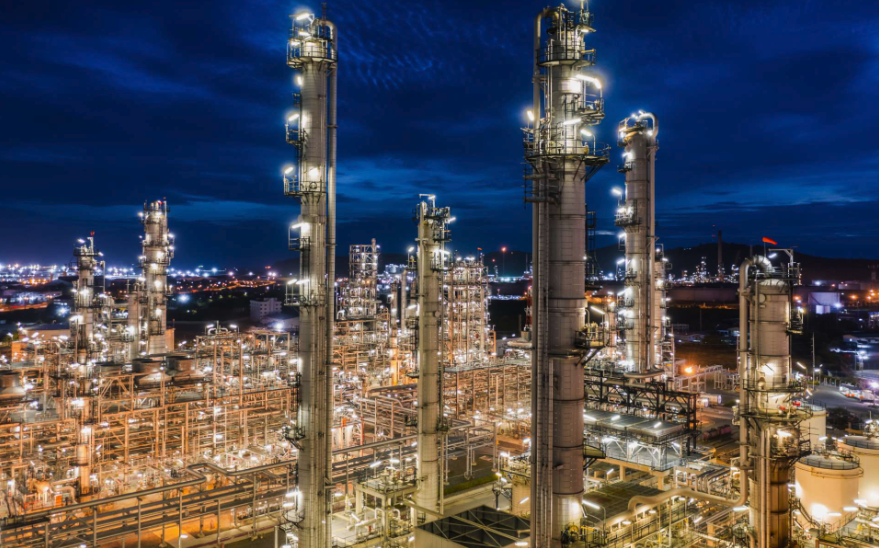
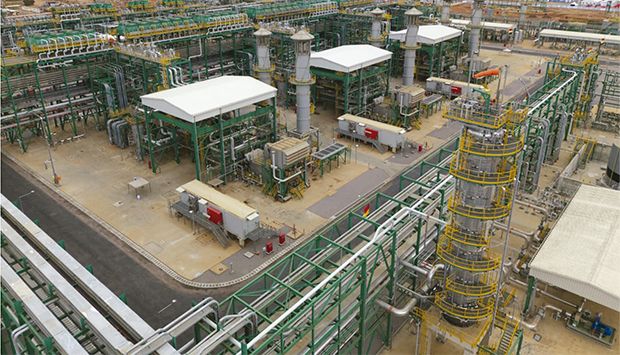
Multinational ExxonMobil is utilizing drone-based technology to enhance inspection practices at its offshore oil and gas operations in Angola. The company invests approximately one billion dollars annually in developing innovative and disruptive technologies. Through the application of aerial drones and 3D sonar imaging, it is strengthening safety, reducing inspection time, and improving data quality in its Angolan projects.
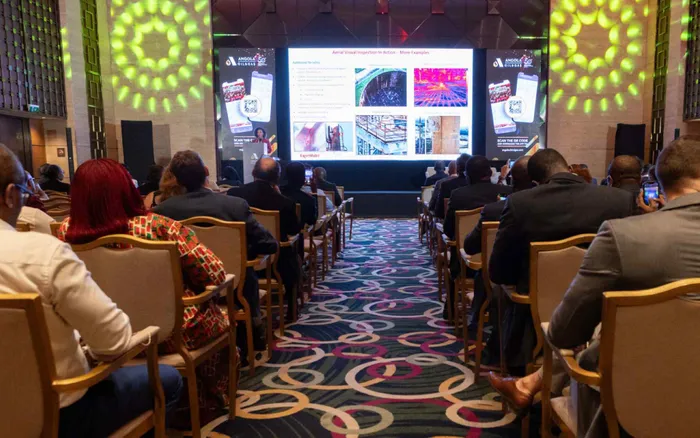
During an ExxonMobil-sponsored pre-conference session at Angola Oil & Gas 2025, Vera Veloso, Integrity Engineering Supervisor at ExxonMobil, detailed how these technologies are transforming inspection processes and increasing operational efficiency in Angola. Currently, ExxonMobil holds interests in three deepwater blocks, covering nearly two million acres in the country, including historic assets like Block 17. By employing drones, the company is transitioning from traditional inspection models—specifically those relying on rope-access teams—to technology-centric methods.
“These drones can reach high-risk areas without the need for human intervention. This improves the efficiency and safety of inspections. Furthermore, they can be conducted during ongoing operations – without the need for shutdowns,” explained the executive.
Drone technology has also elevated data precision compared to conventional methods. Through this innovation, ExxonMobil has achieved a 60% reduction in inspection duration, supporting decision-making and minimizing operational disruptions.
Concurrently, the company has been applying Echoscope technology, using 3D sonar imaging, to enhance data accuracy, validate trench dimensions, enable real-time monitoring, and operate in zero-visibility conditions. These technologies ensure sufficient data for surveillance and risk assessment.
“The 3D sonar uses sound pulses. This data allows us to map the seabed, obtain all necessary measurements, and identify anomalies around the suction pile. The primary benefit is data accuracy – we can access more dimensions of the trench. Additionally, it increases survey efficiency, as we are not limited by visibility,” added Vera Veloso.
Looking to the future, ExxonMobil plans to further expand the use of technology to support its operations in Angola. Among the planned initiatives are robotics and AI-powered drones for the autonomous collection of visual, acoustic, and ultrasonic data in unmanned locations; AI-based digital twins; autonomous risk mitigation via AI-assisted decision-making; and the use of 5G or Starlink to enable remote operations.